
Painting guide · 6 min read
Wallpaper removal, and what happens to the wall underneath
Removing wallpaper is not a painting job with a preliminary step. It is its own job, and the wall underneath decides how the room ends up.
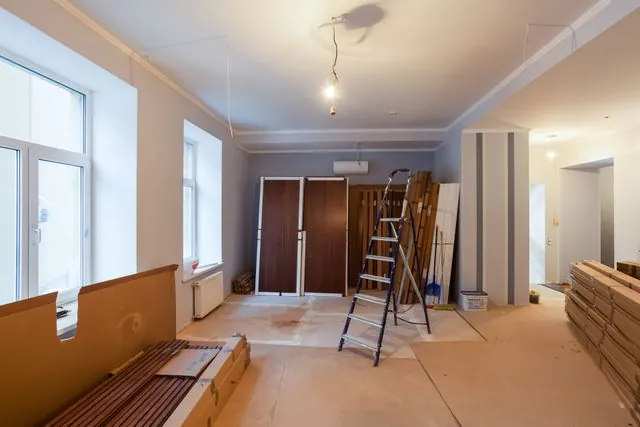
Wallpaper hides a lot: old plaster repairs, patches, uneven joints, sometimes a second layer of paper underneath. Removing it is the only way to know what you are painting.
This is what the process involves, and why the estimate depends on what is found rather than on the size of the room.
Why removal is its own job
Wallpaper is glued to the wall, and the adhesive is designed to stay. Removing it means breaking that bond without destroying the surface underneath — which is straightforward on drywall that was properly primed, and slow on plaster or on paper applied directly to bare board.
It is also messy work, and it is the part of a renovation most likely to reveal something unexpected.
What is often underneath
On older South Shore houses, the wall behind the paper is usually plaster. Plaster is forgiving but it cracks, and paper that has been up for decades can take the top layer of skim coat with it.
On newer drywall, the risk is the paper face tearing away with the wallpaper. Either way, the wall has to be washed of adhesive, patched and primed before paint.
The removal process
We score the paper, apply steam or a removal solution, and strip it in sections rather than pulling at it. Then the wall is washed to remove residual adhesive, because any glue left behind will show through paint.
After that comes the repair: filling, sanding and priming. The priming step matters more than usual, because adhesive residue and patched areas absorb paint unevenly.
When the wall needs more than patching
Sometimes the plaster is too damaged for filling, or the drywall face comes away in sheets. That needs a skim coat or new drywall, which is plastering rather than painting.
We make good minor areas ourselves and bring in a plasterer when the wall needs a proper skim. We will tell you which one your room needs before the work starts, not halfway through.
Painting after removal
Once the wall is clean, patched and primed, it paints like any other wall. The choice of sheen matters more in a room that has been repaired, because a high sheen rakes light across the surface and shows every imperfection.
For most repaired walls we recommend a matte or eggshell finish, and we will test a section before committing to the whole room.